EMI Lock Apps and NBFC Compliance: What Lenders Need to Know
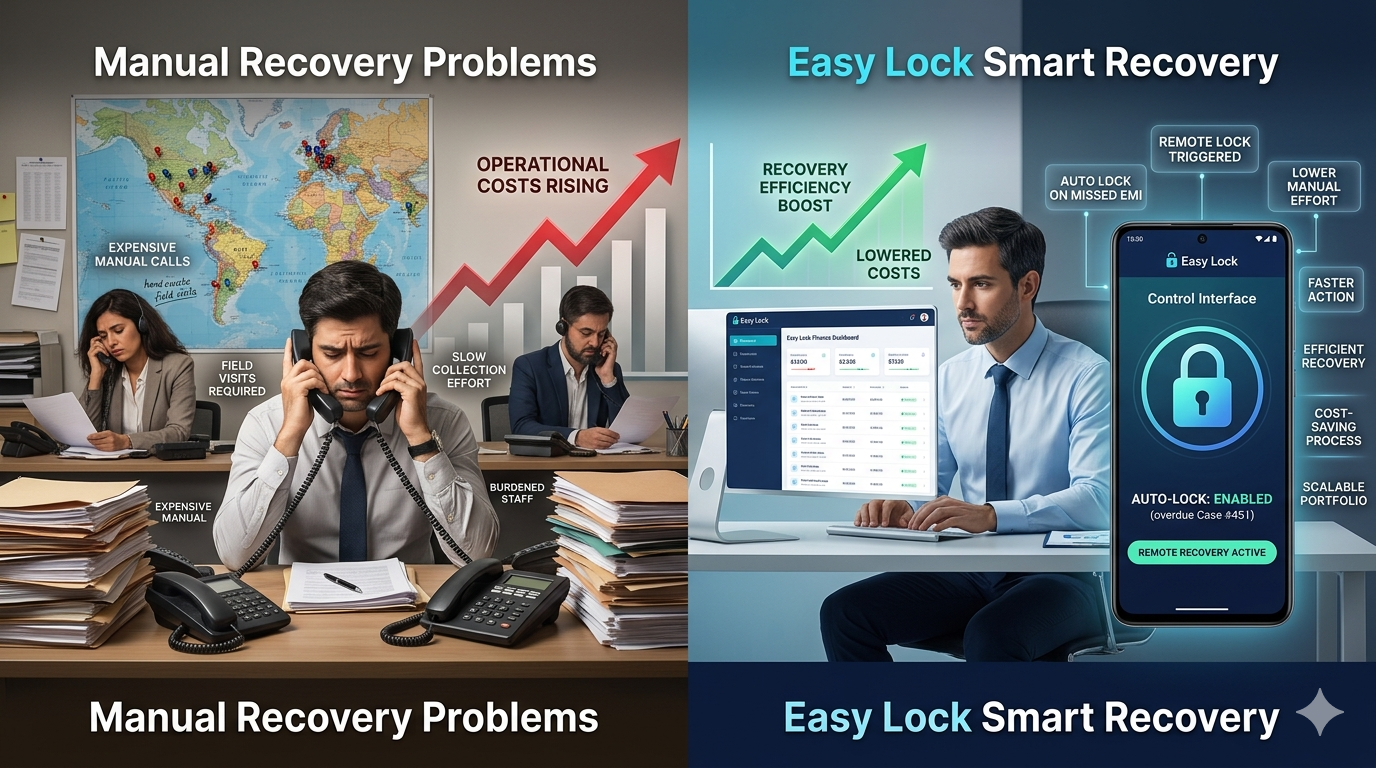
As EMI lock apps become standard in mobile financing, lenders face legitimate questions about compliance. How does device locking interact with fair lending regulations? What disclosures are required? How do audit trails protect NBFCs during regulatory reviews? This guide addresses the key compliance considerations for lenders deploying EMI lock technology.
The Regulatory Context for Device Financing in India
NBFCs in India operate under RBI oversight with guidelines covering fair lending practices, borrower rights, data protection, and recovery conduct. The digital lending guidelines issued by RBI have increased scrutiny of all automated enforcement mechanisms used by regulated lenders.
Device lock technology, when properly disclosed and proportionately applied, is fully compatible with these regulatory requirements. The key word is "properly" — the compliance risk is not in the technology itself but in how it is disclosed to borrowers, how it is applied, and how those applications are documented.
Disclosure Requirements: What Borrowers Must Be Told
Compliance begins at loan origination. Before a device is enrolled in an EMI lock system, the borrower must receive clear, plain-language disclosure of the following facts: that the device includes remote management software, that the lender can restrict or lock the device if payments are missed, what specific conditions trigger lock actions, what the borrower must do to restore device access, and that the device's location may be monitored as part of the financing agreement.
This disclosure must be documented. A signed acknowledgment from the borrower at the time of purchase creates the evidentiary record that demonstrates informed consent. EasyLock's partner onboarding materials include sample consent documentation that NBFCs can adapt to their specific loan agreement formats.
Proportionality in Enforcement
Regulatory guidance on fair lending emphasizes proportionality — enforcement actions should be proportionate to the severity of the default. Locking a device for a one-day payment delay, or for reasons unrelated to payment, creates compliance risk.
EasyLock's graduated enforcement model is designed with proportionality in mind. The grace period, staged restriction approach, and clear escalation criteria ensure that enforcement severity matches delinquency severity. This proportionality is a compliance feature, not just a customer experience feature.
Audit Trails and Documentation
Regulatory compliance requires that lenders can demonstrate what actions were taken, when, by whom, and why. EasyLock's audit trail records every lock action, unlock action, override, and dashboard interaction with timestamps and user identification. This documentation is available for regulatory review and protects lenders in the event of borrower disputes or complaints.
When a borrower claims they were locked without adequate notice, or claims the lock was applied while their account was current, the audit trail provides the factual record to support or refute the claim. This documentation is the difference between a resolved complaint and a regulatory finding.
Data Protection Obligations
EMI lock apps collect location data, device usage data, and SIM information. Under India's data protection framework, this data collection requires explicit consent, must be limited to the purposes disclosed to the borrower, must be securely stored, and must not be shared without authorization.
EasyLock's data architecture is designed with these requirements in mind. Data is collected with documented consent, used exclusively for the loan management purpose, and protected with appropriate technical security measures. Partners are given guidance on data retention and deletion obligations at loan completion.
Recovery Conduct Guidelines
RBI and industry self-regulatory guidelines on recovery conduct specify that lenders must maintain dignity in borrower interactions and must not use coercive tactics. Device lock, when accompanied by clear communication of the reason, the required resolution action, and contact information, meets this standard.
The lock screen message displayed on a locked device is itself a compliance touchpoint. EasyLock allows lenders to customize this message to ensure it is professional, informative, and includes the required contact and payment information.
Conclusion
EMI lock technology is fully compatible with NBFC compliance requirements when deployed with proper disclosure, proportionate enforcement, complete audit documentation, and appropriate data protection practices. The compliance framework around device lock is manageable and well-defined.
EasyLock provides compliance-oriented implementation guidance to all partners. Contact us to discuss how to deploy our platform in a way that meets your specific regulatory obligations.
Download EasyLock on Google Play
Join 50,000+ lenders and retailers protecting financed devices across India.